


NDPC pushes for alignment of local priorities with resetting Ghana agenda

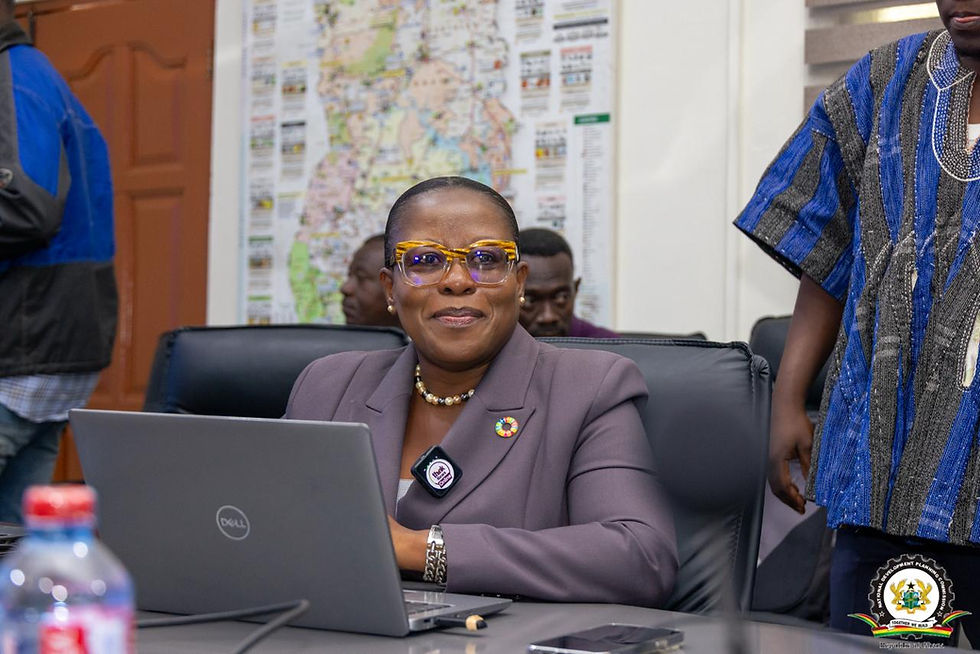
The National Development Planning Commission (NDPC) has intensified calls for district, municipal, and metropolitan assemblies, traditional authorities, and regional stakeholders to align local development priorities with Ghana’s broader Resetting Ghana Agenda, as part of efforts to craft a unified and inclusive national development framework.
This directive follows extensive stakeholder consultations conducted across all 16 regions of the country, which brought together local government officials, opinion leaders, and development actors to identify pressing community needs and systemic gaps in planning and implementation.
According to the Commission, the engagements revealed persistent infrastructure deficits, weak agricultural value chains, rising youth unemployment, and growing concerns over disparities in resource allocation.

These challenges, stakeholders indicated, have contributed to a sense of marginalisation among some communities, reinforcing the need for a more coordinated and equitable development approach.
The NDPC emphasised that aligning local priorities with national policy objectives is critical to eliminating duplication, addressing policy inconsistencies, and ensuring that development interventions are both targeted and impactful.
It noted that the proposed Consolidated National Development Plan will serve as a binding framework to guide long-term national growth, anchored on broad-based consensus.

The Commission further explained that district-level development plans will play a central role in shaping the national blueprint, with approval contingent on their ability to reflect identified gaps and align with the country’s strategic direction.
To this end, it is reviewing its operational guidelines to make planning processes at the regional and district levels more practical, data-driven, and results-oriented.
In addition, the NDPC underscored the importance of stronger collaboration between local assemblies and traditional authorities, noting that such partnerships are essential for effective implementation and community ownership of development initiatives.

Beyond structural reforms, the Commission highlighted the need for a shift in governance attitudes, advocating closer collaboration with civic education institutions to promote discipline, accountability, and national values among citizens.
It also called on the media to play a more proactive role in the development process by amplifying key messages, exposing inefficiencies, and showcasing best practices across the country.
The NDPC maintained that aligning grassroots development priorities with the Resetting Ghana Agenda will not only enhance coordination and efficiency but also ensure that Ghana’s development trajectory reflects both national aspirations and the diverse needs of its regions, ultimately delivering inclusive and sustainable growth for all.
Story by: Joshua Kwabena Smith


Comments